
Data Center Commissioning Levels (L1 to L5) Explained
Commissioning is how a data center proves it works before real load depends on it. The work is usually organised in levels, each testing something the last could not.
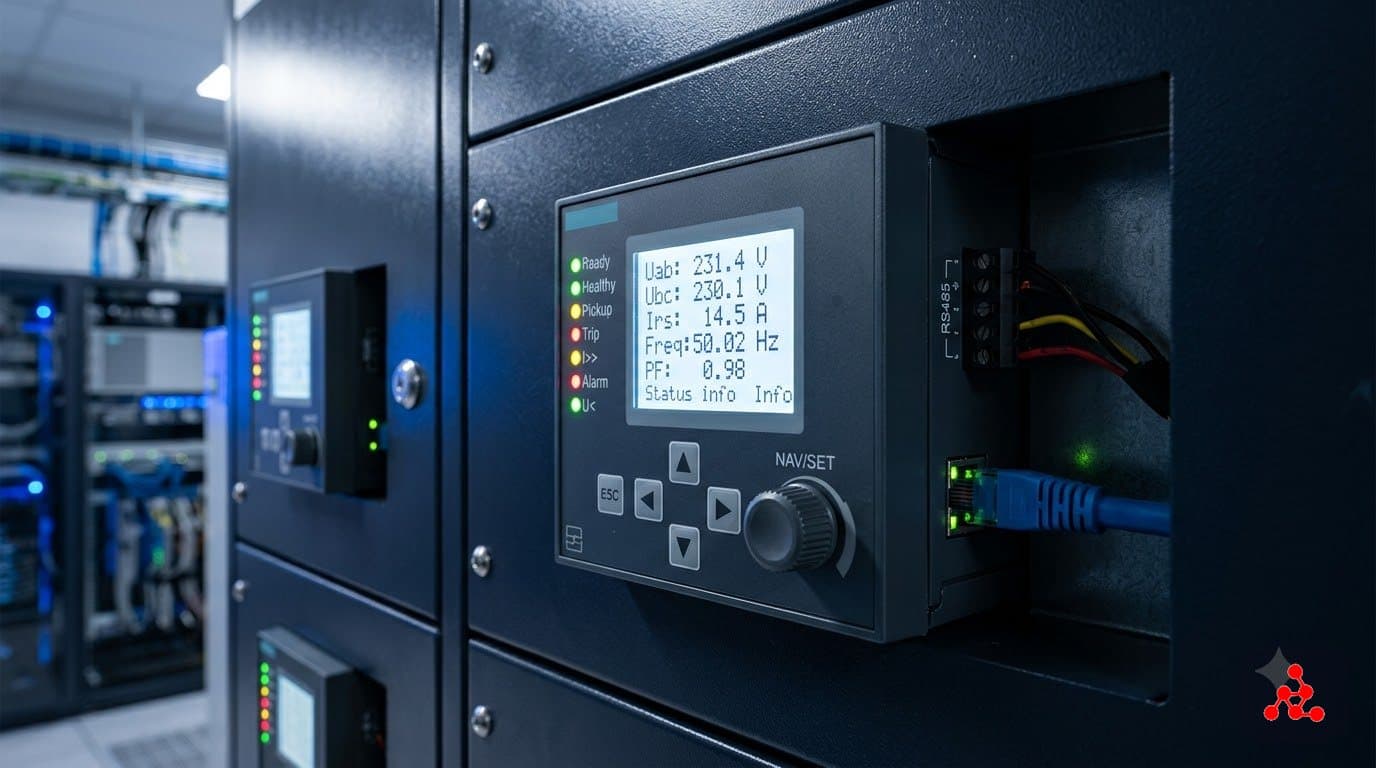
The five levels
The scheme below is a widely used convention. Check the project's commissioning plan for its own definitions.
| Level | Focus |
|---|---|
| L1 | Factory witness testing: equipment is tested at the manufacturer before shipping |
| L2 | Installation verification: equipment received, inspected for damage and compliance, and checked as correctly installed on site |
| L3 | Start-up and pre-functional checks: equipment energised and started, wiring, labelling and basic operation verified |
| L4 | Functional performance testing: each system operates as specified |
| L5 | Integrated systems testing: all systems tested together under failure scenarios |
Why integrated testing matters
Level 5 typically uses load banks and simulated events: a utility failure, generator start and transfer, UPS response, cooling restart, and the loss of individual components, to confirm the facility behaves the way the design says it will. It is where sequencing and control faults are found. See FAT, SAT and IST explained.
What it means for the design engineer
- The design must be testable: isolation points, test access and load-bank connection points need to be drawn in.
- Test criteria come from the design intent, so unclear intent leads to disputes at L4 and L5.
- Documentation (single-line diagrams, settings, sequences) is an input to the test scripts.
Related: tier classification, which is concerned with the redundancy that L5 tests, and the design guide.
Written by the Vision Matrix Institute editorial team. Worked examples use stated, illustrative assumptions; check them against your project data, the applicable standards and manufacturer datasheets before use.
Frequently Asked Questions
What are the levels of data center commissioning?
A common scheme uses five levels: L1 factory witness testing of equipment, L2 installation verification of each component on site (delivery, inspection, correct installation), L3 start-up and pre-functional checks, L4 functional performance testing of each system, and L5 integrated systems testing. Names and exact scope vary between organisations and projects.
What is integrated systems testing?
IST tests the facility's systems working together under simulated failures, such as a utility outage with generators starting and UPS carrying the load, using load banks to represent the IT load.
Who performs commissioning?
A commissioning agent or authority, working with the contractor, equipment suppliers and the owner's representatives. Roles vary by project.
Why is L5 the most valuable?
Individual systems can pass their own tests and still fail together; integrated testing finds control, sequencing and interface faults that component tests cannot.
Want to learn this properly?
This topic is covered in depth in our Electrical Design – Data Center Specialist program.
Ask us on WhatsAppLearn to do this on a full project in the Electrical Design – Data Center Specialist program, or read the data center design guide.